
Harmonic Filter with Contactor-Based Compensation Systems
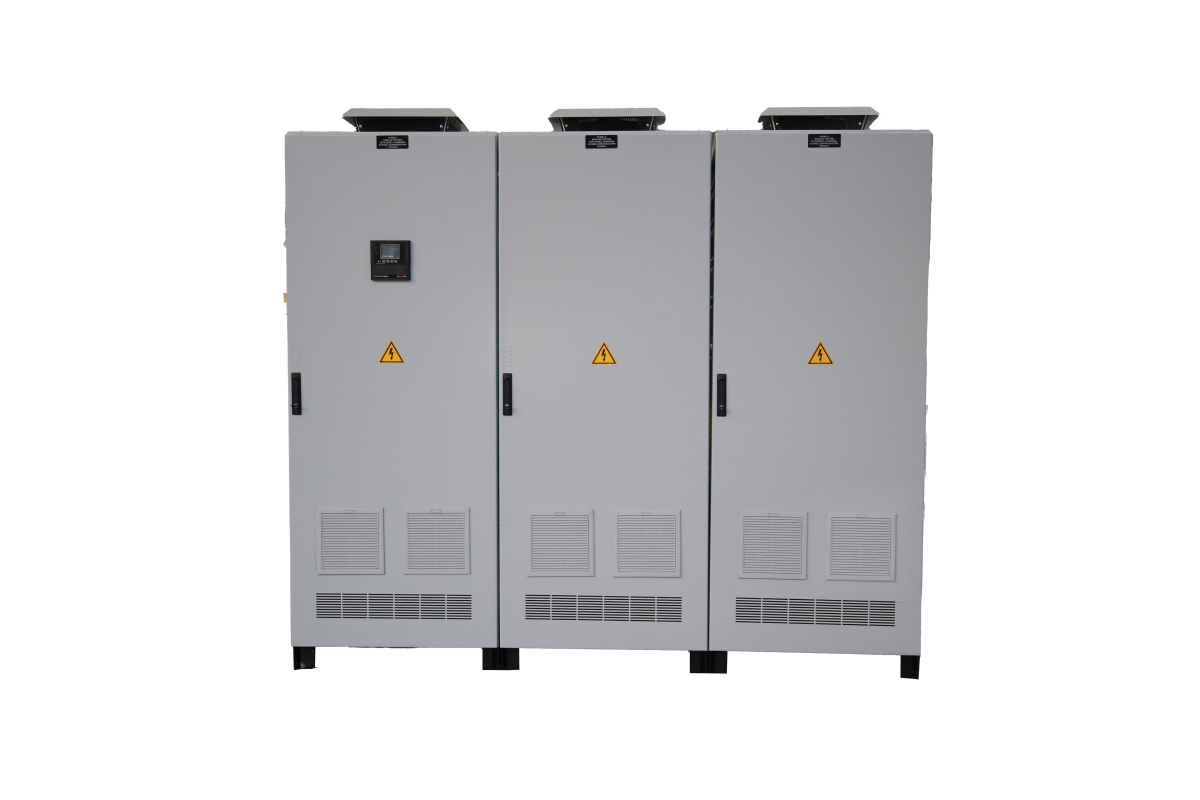
Harmonic Filter with Contactor-Based Compensation Systems
Inverters, frequency converters, LED lighting systems, computer systems, and similar non-linear loads used in industrial facilities and commercial buildings cause harmonic distortions in the electrical grid. These harmonics not only degrade power quality but can also negatively affect the performance of compensation systems and other electrical equipment, leading to serious operational problems.
Standard compensation systems alone cannot provide a sufficient solution in facilities where harmonics are present. On the contrary, compensation systems installed without proper engineering may enter into resonance at certain harmonic frequencies, causing harmonic currents and voltages to increase even further. This can result in serious consequences such as capacitor failures, excessive heating, fuse tripping, and unplanned shutdowns.
Harmonic-filtered detuned compensation systems are integrated solutions developed to prevent these types of problems, providing both reactive power compensation and harmonic control simultaneously.
Description
- In facilities where load changes are slow and balanced, mechanical contactor-based systems offer an economical and adequate solution.
- However, in applications where load changes are very rapid — such as arc furnaces, welding machines, presses, cranes, elevators, and facilities with intensive variable frequency drive (VFD) usage — mechanical contactors may fall short in terms of switching speed and service life.
- In such cases, thyristor-switched compensation systems are preferred. Thyristor-based systems switch capacitor banks in and out within milliseconds (ms), responding instantly and precisely to reactive power demand. They also perform zero-crossing switching, minimizing inrush current transients and voltage fluctuations.
- Meet the facility’s reactive power needs safely and stably,
- Protect the compensation system against harmonic components from both loads and the grid,
- Eliminate the risk of parallel resonance,
- Limit the rise of harmonic currents and voltages,
- Improve voltage stability in the energy system,
- Reduce excessive heating and losses in equipment,
- Enhance system efficiency and operational continuity.
- Industrial facilities with a high density of non-linear loads,
- Production lines where variable frequency drive (VFD) usage is widespread,
- UPS and data center infrastructures,
- Commercial buildings and shopping centers.