
Shunt Reactors
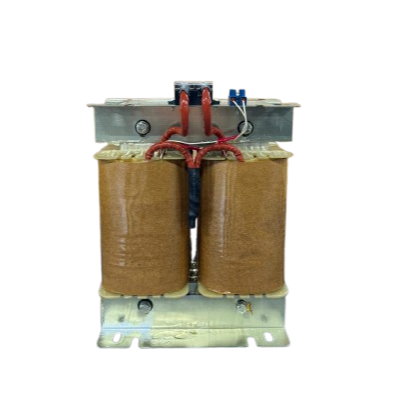
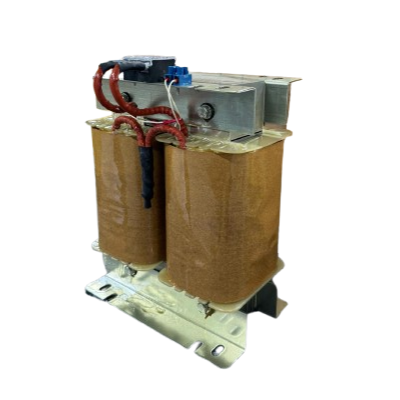
Shunt Reactors
In electrical systems, particularly in facilities with long cable lines, low-load operation, or a high concentration of capacitive loads (such as UPS systems operating under low load, LED luminaires, etc.), the formation of unwanted capacitive reactive power is observed.
This situation can lead to an increase in voltage levels, system instabilities, and electrical stress on equipment. Additionally, it can cause capacitive reactive loading to exceed limit values within the scope of relevant regulations, resulting in reactive power penalty charges.
Shunt reactors are crucial equipment used to balance such capacitive effects and provide inductive reactive power to the system. By connecting in parallel to the grid, they ensure that excess capacitive power is compensated in the opposite direction, leading to more stable system operation.
Description
Properly selected and designed shunt reactor systems:
- Control voltage rises,
- Balance capacitive reactive power,
- Increase grid stability,
- Contribute to healthier operation of compensation systems,
- Extend system life by reducing stress on electrical equipment.
For shunt reactors to operate effectively, parameters such as system voltage, load characteristics, cable lengths, and operating conditions must be accurately analyzed.
Specifically:
- Facilities with long underground cable lines,
- Industrial enterprises operating at low loads, Organized Industrial Zones (OIZs),
- Metro and Tram Systems,
- Businesses with a high density of low-load UPS systems, etc. are systems where capacitive effects are dominant.
Our company analyzes the electrical structure of your facility in detail to determine appropriate shunt reactor solutions with the right power and technical specifications. With the engineering support we provide during the design and implementation processes, we guarantee stable, reliable, and efficient operation of your system.